For fish farmers, there are four types of water:
1. It's fresh water, that is, fresh tap water or fresh well water. Although the water is very clean, it is quite different from the fish environment in nature. Because there is no nitrifying bacteria community in the water, the excreta of fish and the scattered food residue decompose into ammonia after putrefaction, and the fish are easily poisoned.
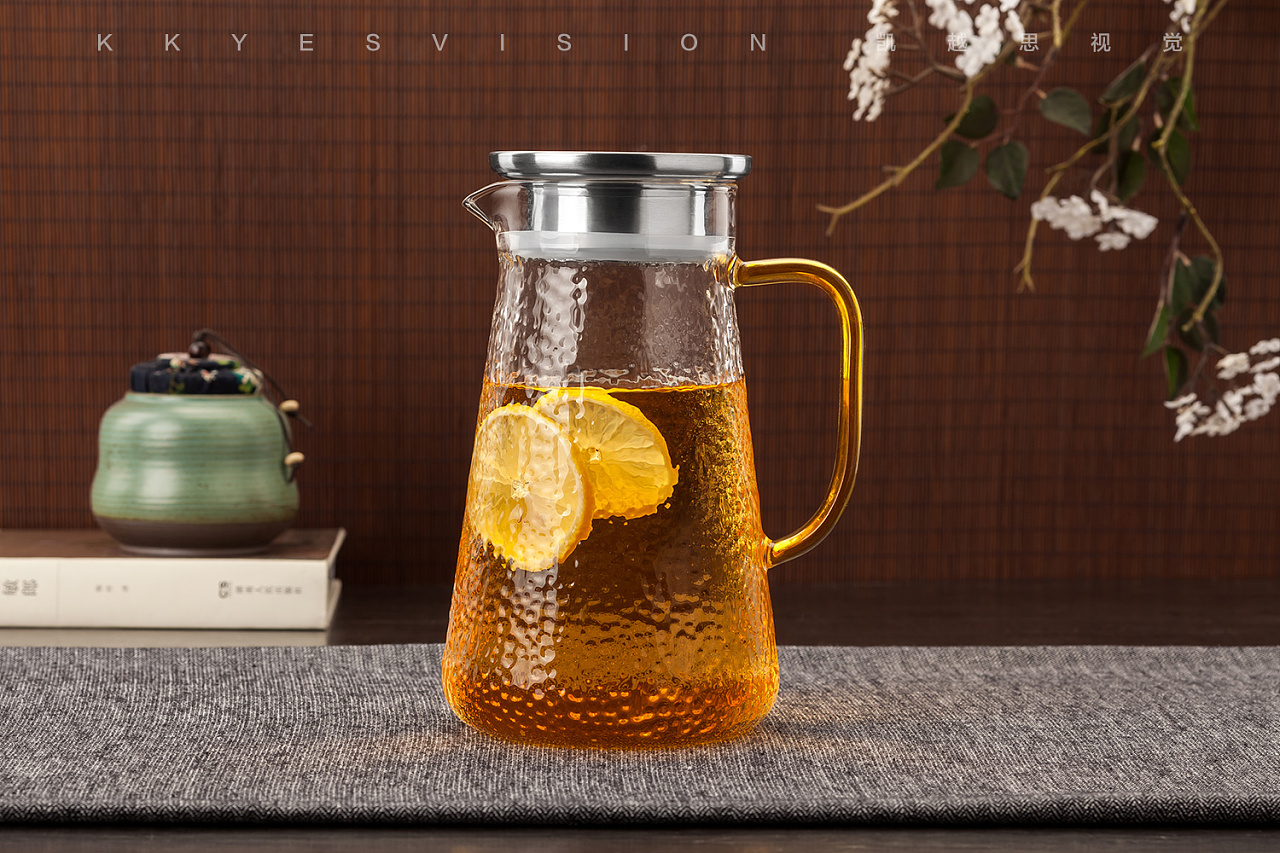
2. It is old water, light green or light amber, rich in humus and beneficial microorganisms and algae. It has established a good ecological cycle system, and after nitrogen cycle, it is decomposed into nitrate which is harmless to fish. This water is very good for the growth of fish.
3. It's green water. The content of organic matter in the water is too much, so cyanobacteria, green algae and brown algae proliferate in large quantities. The content of bacteria and microorganisms increases sharply. The water is thick green, sometimes it will give off a bad smell, which is very easy to cause the whole tank of fish to die.
4. It is clear water, also known as biting water. The content of algae and microorganism in green water is too much, which exhausts the oxygen in aquarium, resulting in the death of algae and aerobic bacteria, making the water clear, oxygen free and with a large number of anaerobic harmful bacteria.
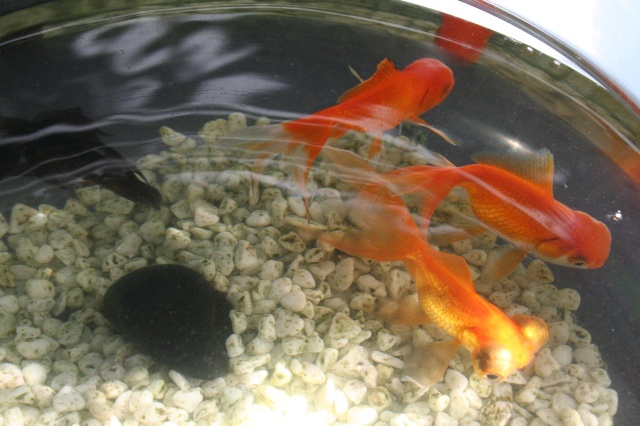
To raise goldfish well in summer, we should pay attention to water, food and prevention of fish diseases. Goldfish water in winter will not be as easy to break as in summer, so it is not necessary to change water so frequently. But when the goldfish float to the surface and drink water impatiently, it shows that the water in the fish tank is lack of oxygen, and the goldfish are barely able to maintain their life, so they must be replaced with new water. After changing into new water, you can put it in the sun for a few days, or you can leave half of the water in the fish tank and add half of the new water. When changing water, the temperature difference should not be too large. If it is too cold, add a little hot water. It is better to keep some aquatic plants in the fish tank, because of photosynthesis, oxygen can be produced.
In winter, goldfish can be fed with dried fish worms and egg yolk dried in summer, millet, sesame, fish meat, dry noodles and steamed bread can also be fed. It is best to feed some slender earthworm like insects. When feeding food, the amount should be from small to large, otherwise the goldfish may be held to death. The incidence rate of this season is high due to insufficient oxygen in water, infection of infected fish and germs, or stimulation of water with excessive temperature. After the disease of goldfish, some do not eat, some of the body long white mold like material, some tail, fin rotten bit by bit. Goldfish after the disease, it can be put into oxygen sufficient new water.
The place where the fish tank is placed should have proper sunlight and good ventilation; direct sunlight should be avoided in summer and more sunshine time in winter. From this, we can see that not all water is suitable for goldfish's life. The most suitable water for goldfish growth is old water. The so-called water cultivation is the process of changing new water into old water.
Now most of the water we use to raise fish is tap water, so the first step in raising water is to remove the toxic substance chlorine in tap water. The method of chlorine removal is relatively simple. After the water is filled, let it stand for 2-3 days, or dry it for 1 day (in case of emergency use, add 0.63 g of baking soda per 100 kg of water, that is, sodium thioate can be used immediately).
Fresh water should be put into the tank after drying, open the filter, let the pump make the still water into flowing water, and then put the fish into the tank. "Chuang VAT" is to put a few cheap, strong and easy to raise fish into a new tank. After a few days of raising, the fish feces will decompose ammonia in the water, which is the same as tap water with ammonia. Too much ammonia will cause fish death. Therefore, the most important thing in water culture is to remove ammonia from the water. Usually we use nitrifying bacteria to remove ammonia from water. Nitrifying bacteria can be added to water, but they need attachments to survive in water. If there is no suitable attachment, adding more nitrifying bacteria will not work. They will die in the water. Nitrifying bacteria usually adhere to filter cotton or bottom sand. In fact, the flowing water will naturally produce nitrifying bacteria after a few days, which is also the most commonly used method for cultivating nitrifying bacteria. The cultivation of nitrifying bacteria is the second step of water cultivation.