1. Soil to be applied
Soil is the growth basis of potted camellia, because Camellia root system depends on soil growth and development, the water and nutrients needed for Camellia life activities mainly absorb from the soil. Camellia likes acidic, high humus, loose and ventilated red (yellow) loam soil, pH value is between 5 and 6.5, and alkaline soil or heavy clay soil can not be used as potted Camellia substrate.
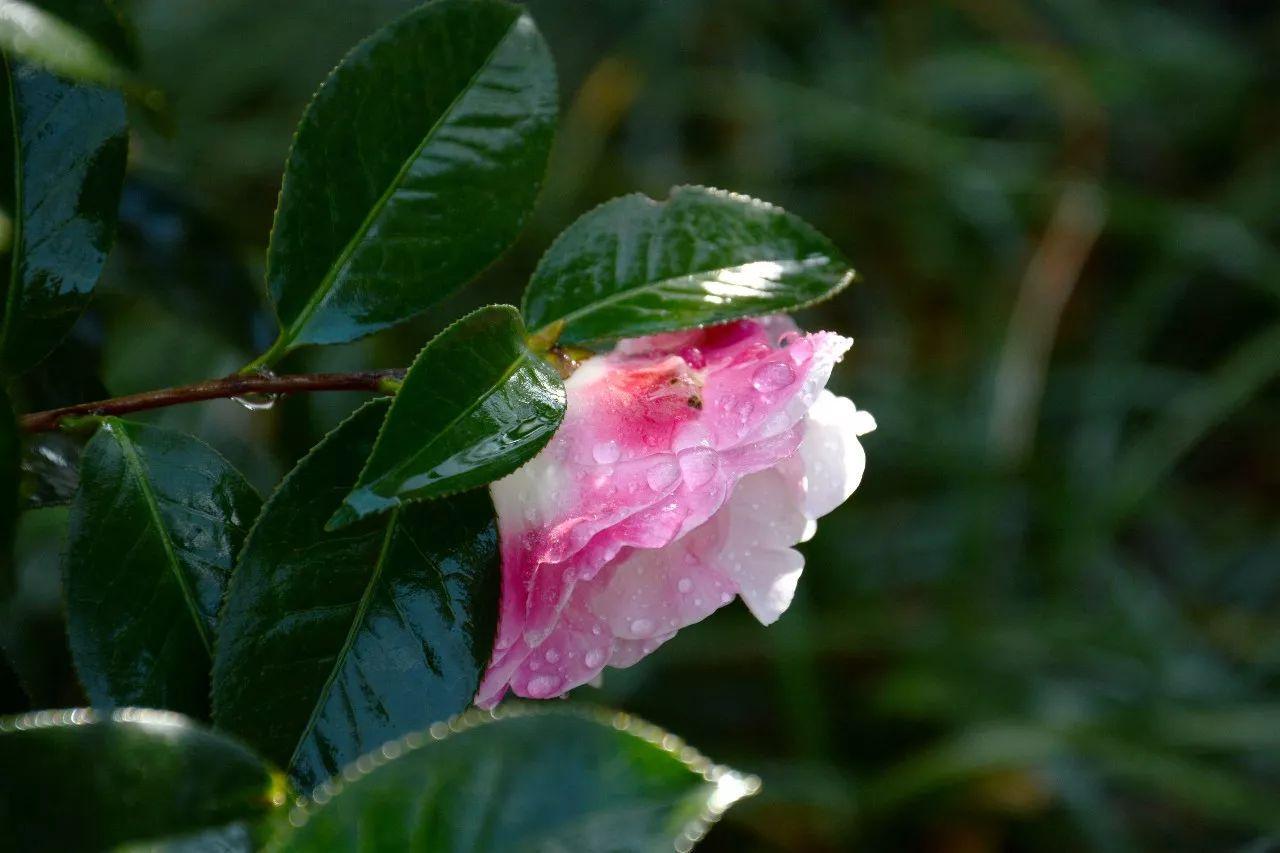
Soil preparation: 50% mountain soil (mature red soil for planting crops), 40% sawdust or edible fungus residue, 10% cake fertilizer powder or livestock manure and phosphate powder. The three are mixed well, watered properly and bagged for more than 20 days in summer and autumn, and more than 30 days in spring and winter. The soil is not only loose and ventilated, but also can maintain fertilizer and water, which is suitable for the growth and development of Camellia.
2. We need moderate light
Camellia need appropriate light, but also afraid of high temperature and direct sunlight. At the end of spring and autumn, Camellia will be moved to the balcony or ground with more light, and receive the whole day's light, so as to promote the growth and development of the plant, promote its flower bud differentiation and robust flower bud. In summer, the sun is the strongest. You should move the flowerpot to the sunny and well ventilated environment for maintenance.
You can also move it to the north balcony or the south balcony under the cultivation. You can also use 75% sunshade net to cover the plant from 9:00 a.m. to 5:00 p.m., so as to avoid direct sunlight, causing leaf trauma or small plant wilting. If possible, the Camellia sinensis can be moved to the sun shed for safe summer.
3. The temperature should be suitable
Temperature is an important condition for physiological activity of Camellia japonica. Camellia flower likes to be warm. The optimum temperature for its growth is 18 ℃ to 25 ℃, and the relative humidity is 60% to 65%. For the growth of Camellia, the spring shoots usually sprout in the middle and late March, bud in April, form the top bud in the middle and late May, stop growing, and gradually differentiate into leaf bud or flower bud.
It takes 180 to 240 days from flower bud formation to flowering. Summer shoots sprouted in late July and stopped growing in early September. Although Camellia japonica is resistant to low temperature, when the cold wave invades, the temperature drops suddenly below 0 ℃ or meets the dry northwest gale, it will cause the twig freezing damage, and the flower bud will wither if it is damaged by freezing. Therefore, the flower pot is moved to the north and south for maintenance, so that it can survive the winter safely.
4. It should be suitable for humidity
Camellia has many leaves, large leaf area and fast transpiration. Camellia like humid climate, also like moist soil. Therefore, to supplement water for potted camellia, water once a day in the spring and autumn growing season, and once a day in the morning and evening in summer, especially in the "dog days". If the ground is dry, water or spray water to the ground and surrounding area of the pot once or twice to maintain a certain air humidity, the plant will grow luxuriantly.
At the same time, attention should be paid to the fact that the soil in the flowerpot will be alkalized over a long period of time because of more watering and most families are watering tap water. Therefore, 0.5% to 1% ferrous sulfate water should be added every month, and 5% to 8% edible acid and vinegar solution can be used to spray the leaves. Camellia like the moist soil, but also afraid of water in the pot, in rainy days if the basin water, must be removed in time, so as to avoid root soaking in water suffocation, rot.
5. Proper amount of nutrients is needed
Camellia is a fertilizer loving flower, because it has strong tree vigor, more leaves and longer flowering period, so it needs more fertilizer. In the process of fertilization, apply enough liquid fertilizer, combined with pot change, apply 3 G to 80 g of rotten cake fertilizer powder or sun dried chicken and duck manure in each pot according to the size of the flowerpot, and mix it with the subsoil under the bottom of the pot.
According to the growth period of plants, organic fertilizer should be applied. In addition to the coldest and hotest days in winter and summer, the water for rotten dry cake should be applied once or twice a month. The fertilization method is as follows: the soil around the basin should be peeled off by about 2 points, and the liquid fertilizer should be applied into the ditch to cover with soil to avoid odor. Can also be decomposed cake fertilizer powder applied in the basin edge and basin soil mix evenly, let flowers slowly absorb.
City Flower friends can buy flower fertilizer on the flower market, which is both hygienic and safe. In order to improve the growth of Camellia, in the vigorous period of Camellia Arachis, the foliage should be sprayed with 0.2% to 0.3% potassium dihydrogen phosphate and 1% to 2% plant auxin once or twice a month. The principle of fertilization: it should be light rather than heavy, light rather than thick, less and not more. We must adhere to the method of applying thin fertilizer frequently, especially not applying raw fertilizer.
6. To fit the environment
Camellia like to grow in the environment with moderate air flow, and most like the wind blowing. It likes the water vapor brought by the southeast wind, but it is afraid of the northwest wind and strong wind, so that the water evaporation is too fast, the supply and demand of Camellia are out of balance, and the leaves are easy to be damaged, resulting in the phenomenon of bud falling and flower falling.
In winter, Camellia should be kept away from the wind and kept in a sunny environment with a certain temperature and humidity. In spring and autumn, the flowerpot should be moved to the balcony, so that it can be ventilated and transparent, and shaken by the breeze.
In this way, not only does the plant grow well, but also is conducive to flower bud differentiation, flower bud growth and development, and can reduce the occurrence of diseases and insect pests. Through years of practice, it has been shown that moderate ventilation and suitable illumination can play a role in preventing diseases and insect pests.