1. Before buying a hamster, you must prepare an iron cage or plastic box (do not use cartons because they will be bitten through). If one or three rats are kept, the cage or box must be at least 40 x 30 cm in size, with two or three layers inside. The advantage of buying iron cage is that it can let rats climb the wall and climb the top of the cage. It is very funny, but the smell of feces and urine will be emitted, and the advantage of buying a plastic box is that it is easier to clean and clean. There are several "mouse rides" on the market. They are excellent tools for raising rats, but they are very expensive.
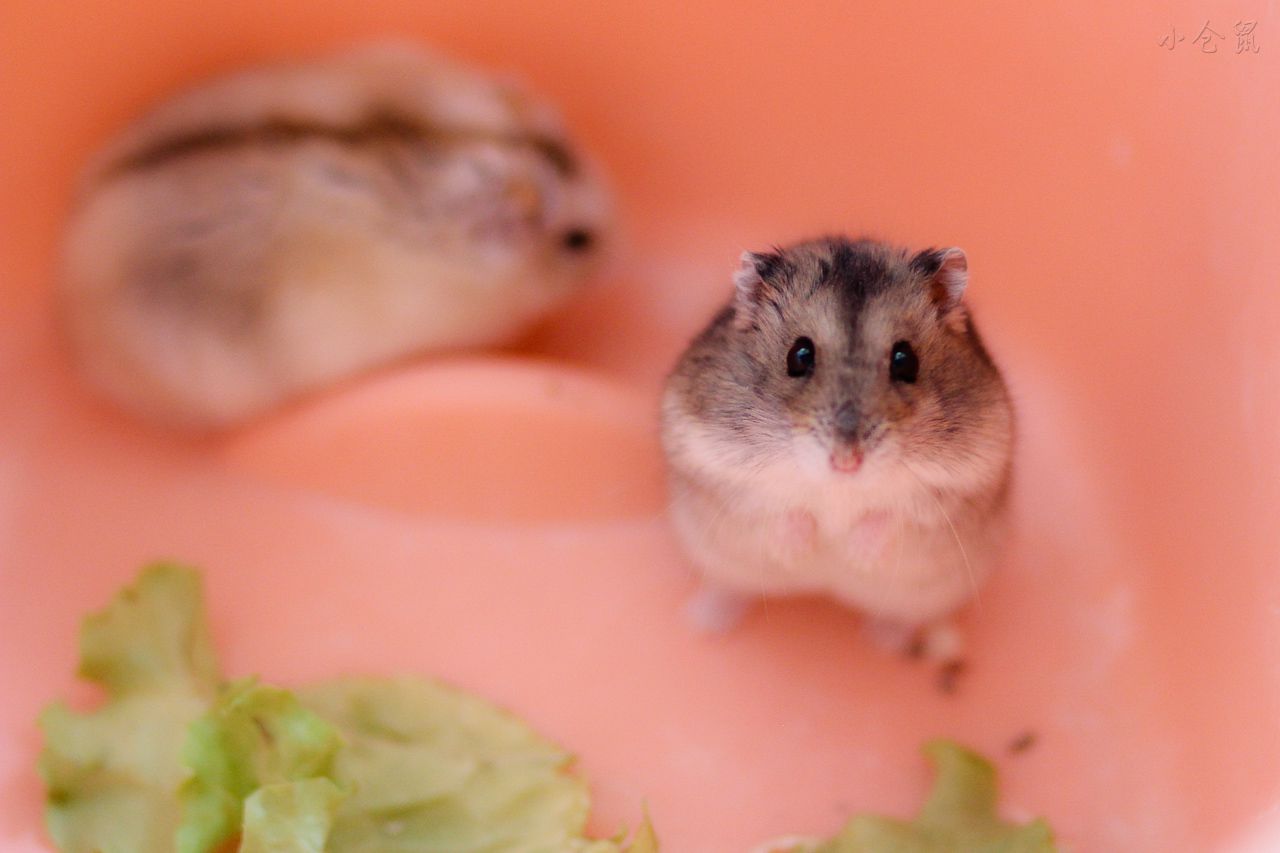
2. The cage or box should be covered with 1 cm thick wood chaff or sand (do not use newspaper, because it is dirty), put a wide bottom food bag (not easy to be overturned) and a drinking bottle (do not use the bag to hold water, because the water will be easily soiled). These are the basic equipment.
3. Hamsters are omnivorous animals. They eat almost everything, but it is best to give them wheat, corn, modern melon seeds, synthetic rat food and soybeans (you can buy mixed hamster food in rat shops) and fresh fruits in between. Hamsters like to store food in cheek pouch, especially the golden hamster, often stuffed into a piece of face. So when you find that there is no food in the bag, do not rush to add, check their noodles and eggs first!
4. You need to buy new food every day, and the things you need to do every week include:
a. Replace wood chaff or sand.
b. Change the water (it must be frozen boiling water, or you will die of diarrhea).
c. Take a bath with baby sand (water can easily make it cold or even die).
5. If you want to grab a hamster, you can lift it from its neck and back muscles. This method is safer and won't bite your hand, but it doesn't like it very much. The best way is to grab it from its two armpits, then pick up the whole body and put it on the palm. However, if the force is not proper, it is easy to make it panic and bite your hand. Hamsters are very gentle in nature, but they are still partly aggressive. Therefore, we should be careful.
If you are bitten by a hamster, you may bleed, but you don't have to panic. Just apply disinfectant or tape to stop bleeding. You can rest assured that there is no plague in hamsters.
6. Hamsters like to fight (especially young rats), it is normal play, do not worry. However, if the fight is too fierce, such as screaming or even bleeding, it is a real fight. They must be separated immediately and disinfected for the injured. If they fight again and again, each time they fight to death, they have to be raised separately.
7. Hamsters have no disease of their own. As long as you clean the cage regularly and change water and food, they will not have glass. The most common disease of hamsters is cold, so if you or your friends have a cold, it is better not to approach them.
If your hamster has a cold, isolate it immediately to prevent other hamsters from infection. Cold symptoms include: sluggish, tired, limbs weak, nose red and swollen, runny nose, ears shrink back close to the head, shrink in the nest refused to come out, serious sneezing, wheezing, weight loss and hair color loss.
The treatment is to put the sick hamster in a clean and ventilated cage, keep warm, give it some milk, add some bread, oatmeal or cod liver oil and other nutritious food, so that it will quickly restore appetite and recover. In addition, it is best to thoroughly clean the water bottle and change feed to avoid infection, and the cage should also be thoroughly cleaned.
8. Another common disease is paralysis, the cause of which is that the cage is too small for hamsters to move, and the symptom is that they can't lift their heads. At this time, just put it on the table for 15 minutes, let it walk freely and stretch, and it will be OK.
In fact, hamsters are strong animals, as long as the living environment is good, clean and appropriate feed, it is not easy to get sick.