1. Water quality regulation
The fish tank is the whole place of goldfish, so it can't be polluted. In the water, goldfish inhale dissolved oxygen in water and discharge carbon dioxide. The harmful substances in the water should not be allowed to invade the fish body, so as to avoid the growth of glass. Therefore, the water source in the goldfish tank must have high dissolved oxygen, proper pH and no pollutants. In general, the water source of family breeding goldfish mainly comes from river water, pond water, well water and tap water. As long as the natural water sources such as river water and pond water are clean, non-toxic and pollution-free, they can be directly added into the fish tank.
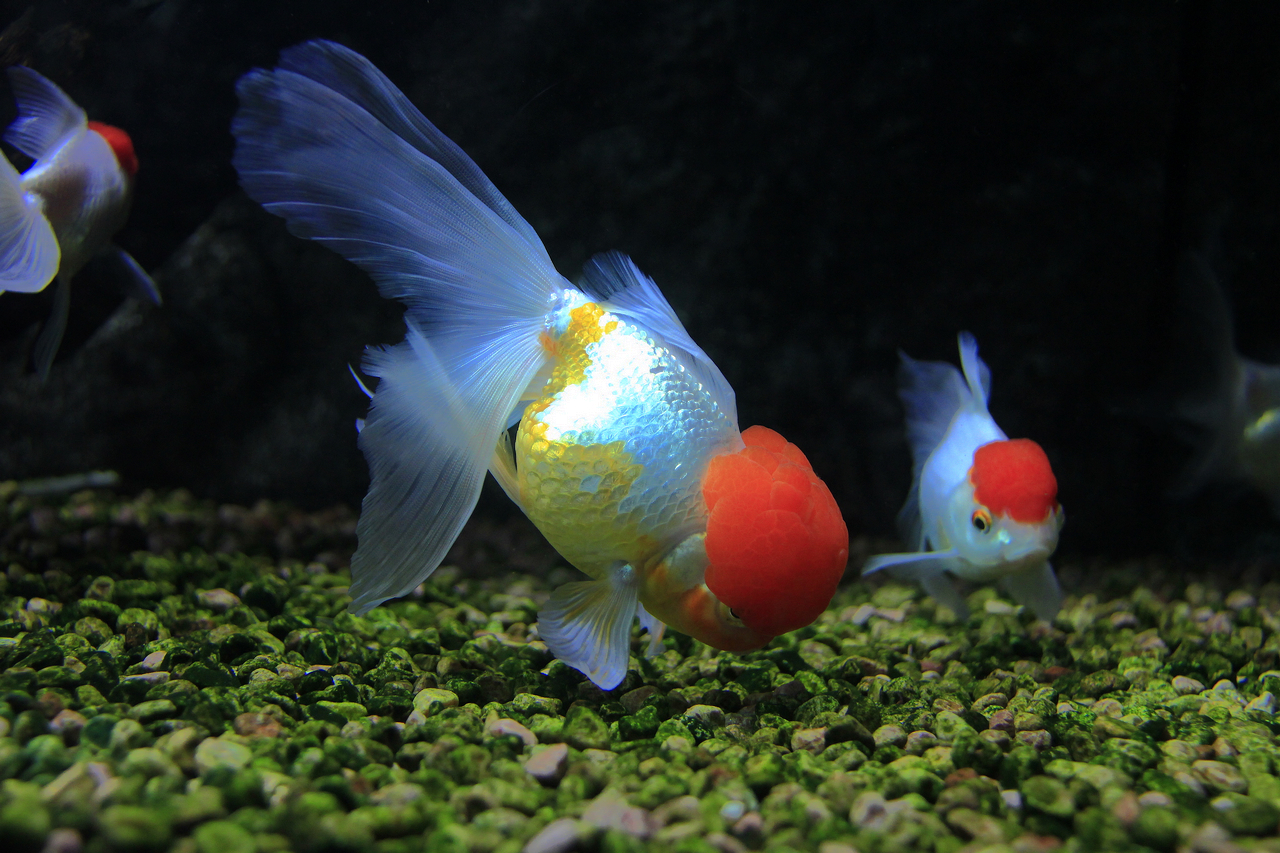
Groundwater such as well water and spring water have large temperature difference, less dissolved oxygen, and may contain minerals, which should be exposed to the sun and naturally regulated. Tap water contains a lot of chlorine, which is easy to be damaged Gills, which affect respiration, should be dechlorinated. They can be stored in the open air for 2-3 days or dechlorinated with sodium thiosulfate. The simplest way to raise goldfish is to pump tap water into the water tank and other containers for a period of time, and then use it as the water source in the fish tank. When changing the water in the fish tank, the water from the same water source should also be used. A small amount of water can be replaced to prevent the fish from discomfort. Generally, it can be once every 3-7 days in winter and spring, and every 2-3 days in summer and autumn. If the water temperature is above 28 degrees, it should be once a day. If possible, oxygen adding equipment can be used frequently.
2. Feed feeding
Goldfish is an omnivorous fish with many kinds of food, mainly including red worm, water earthworm, larvae, small fish and shrimp, egg yolk, tofu, noodles, rice grains, bread and so on. Domestic cultured goldfish can prepare their own bait or buy commercial bait. The following points must be paid attention to when discussing what kind of bait: first, to make the bait palatable, you can feed granular or strip-shaped bait instead of powder, and adjust it with the growth of the fish; second, it should be fed regularly in summer and autumn when the weather is cool in the morning and evening, and in winter and spring when it is warm at noon; third, quantitative feeding is needed.
Goldfish are easy to be greedy, and 80% full each time That is to say, it is better to have no residual bait in the fish tank, or adopt the feeding principle of a small number of times. In hot weather and high water temperature, the feeding amount can be reduced or not fed; fourthly, the bait should be diversified, not only one kind of bait is fed for a long time, but the reasonable combination of animal and plant bait should be achieved to prevent nutritional deficiency.
3. Prevention and control of fish diseases
In order to prevent the disease of goldfish, we should pay attention to the prevention of diseases. In addition to frequently fishing out the residual bait and changing the water frequently, we should also wash the fish body with 2-3% salt water for 5-10 minutes from time to time to disinfect the fish body; if the body surface is injured, the fish body can be smeared with the gold toxin ointment; in winter and spring, the fish tank is often moved to the outdoor leeward for sun exposure; in summer, the fish tank should be placed in a ventilated and dry place; small fish, shrimp, conch and mussel meat should be fed The results showed that the fresh material should be washed with water and then fed; the self-made bait could prevent the occurrence of goldfish disease by adding some drugs such as furazolidone and oxytetracycline powder. It was found that the fish had parasitic diseases, such as anchovy, which could be treated with 2 mg crystal trichlorfon per 10 L water.