Living at home, often indoor disinfection, can effectively prevent the infection and spread of disease. For you to list several common household disinfection methods.
Air cleaning and disinfection method: indoor air to keep fresh, must often open windows ventilation, especially in spring should pay attention to. Open the window for 15-30 minutes each time to make the air circulate and the bacteria can be discharged out of the room.
Boiling disinfection method: boiling can coagulate and denatured bacterial protein. The disinfection time should be calculated from boiling water. After 15-20 minutes, it can kill common bacteria, children's tableware, and boiling utensils, such as milk bottles, bowls and chopsticks, spoon, gauze, towel, tableware used by patients every time and some children's toys, this method is suitable for disinfection, and the sterilized items should be complete It's submerged in water.
Steamer disinfection method: use steamer as disinfection tool. The disinfection time is calculated from the time when the water boils and steam comes out, and the disinfection purpose can be achieved after 12-20 minutes. This method is suitable for disinfecting clothes, tableware and gauze for dressing wounds.
Sunlight disinfection method: ultraviolet rays in sunlight have good natural sterilization effect, and articles are directly exposed to sunlight for 6 hours. Pay attention not to be separated from the glass window, otherwise can not achieve the purpose of disinfection. Usually bask in bedding and mattresses can achieve the effect of sterilization, disease prevention and moisture-proof, especially in high-altitude and foggy mountain areas. When exposed to the sun, we should pay attention to turning the articles, so that all surfaces can be directly exposed to sunlight and play a disinfection role.
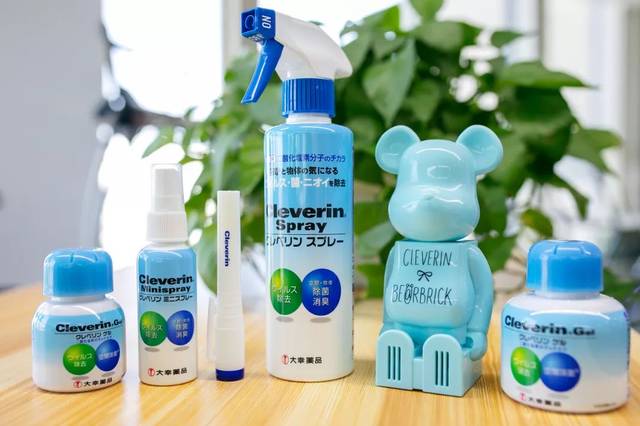
Drug disinfection method: there are many kinds of drug disinfection, because the drug disinfection is related to the dilution ratio or concentration of the drug, otherwise, the effective components of the drug can not be brought into full play and the purpose of disinfection can not be achieved. So the general family to prepare some commonly used household disinfection drugs can.
These are the commonly used disinfectants in the family
Vinegar disinfection method: vinegar contains acetic acid, which has certain bactericidal capacity and can be used for indoor air disinfection. The general living room uses vinegar 100 ~ 150 grams, adds water 2 times, puts in the porcelain bowl, uses the warm fire slow steaming. The door and window should be closed when steaming. This method has good effect on the prevention of respiratory infectious diseases.
Alcohol disinfection: alcohol coagulates proteins in bacteria. The suitable alcohol concentration for skin disinfection is 75%. This concentration can also be used to soak forceps, tweezers and thermometer for 30 minutes, and then stand by. Pay attention to change the soaking solution twice a week and cover it for storage, so as to avoid failure due to alcohol evaporation. 95% alcohol is used for burning sterilization, such as forceps, forceps and other emergency use of this method. Generally less than 70% alcohol can not play a role in disinfection and sterilization, 50% alcohol can be used to wipe the skin of long-term bedridden patients to prevent bedsore; it can also be used for high-temperature cooling bath.
Iodine disinfection method: iodine wine has strong bactericidal and fungicidal effects. It can be used for skin disinfection before venipuncture and operation and anti-inflammatory in early stage of skin furuncle, and the appropriate concentration is 2%. When using, apply 2% iodine on the skin to be disinfected, wait for 20 ~ 30 seconds, and then remove iodine with 75% alcohol. If the concentration of iodine is too high, it will cause skin burns. Therefore, the mucous membrane parts, such as perineum, anus, scrotum, eyes, mouth, nose, and so on, as well as young infants because of the delicate skin, as far as possible with iodine disinfection. Especially those who are allergic to iodine should be forbidden to contact.
Bleaching powder disinfection method: bleaching powder can make the enzyme in the body of bacteria lose activity, resulting in death. Bleaching powder is often used for disinfection of drinking water, tableware, spittoon and bedpan. 0.003% ~ 0.015% was used for drinking water disinfection. If the diameter of well water surface is 1 m, 1 ~ 3 G bleaching powder should be added to every 0.3 m of water depth, and it can be drunk after 30 minutes. 0.5% is used for disinfection of tableware, spittoon, bedpan, etc., and is generally soaked for 30 minutes. In case of hepatitis, the tableware should be soaked in 1% ~ 2% bleaching powder for 1 ~ 2 hours, and 1% ~ 3% should be used for spraying disinfection on the walls, floors and furniture of the sick children's rooms. For the excreta of patients with hepatitis and other infectious diseases, dry stool should be 2:5 and diluted stool should be 1:5, stirring, covering and placing for 2 hours; urine should be added with 0.5-1g bleaching powder per 100ml, and buried or poured into the toilet after 10 minutes. Since bleaching powder has the function of fading and corroding metal, it is necessary to avoid contact with colored clothes and metal products when using. If the cloth is disinfected, it should be cleaned immediately to avoid corrosion. The solution should be prepared temporarily, and it is easy to lose efficacy after long-term storage.
Lime disinfection method: vomit, urine and stool of patients can be disinfected with quicklime. The bacteria can denatured the lime because of their ability to coagulate proteins. 1 portion of vomit or excreta can be mixed with 2 parts of quicklime, and then poured into the toilet pit after 2 hours. Indoor or drainage ditch can also be sprinkled with some quicklime powder for sterilization.